
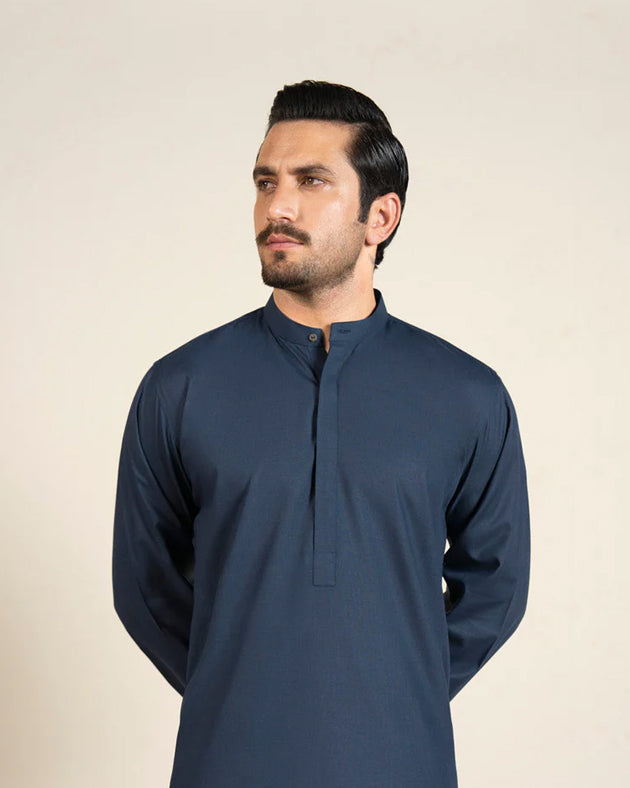
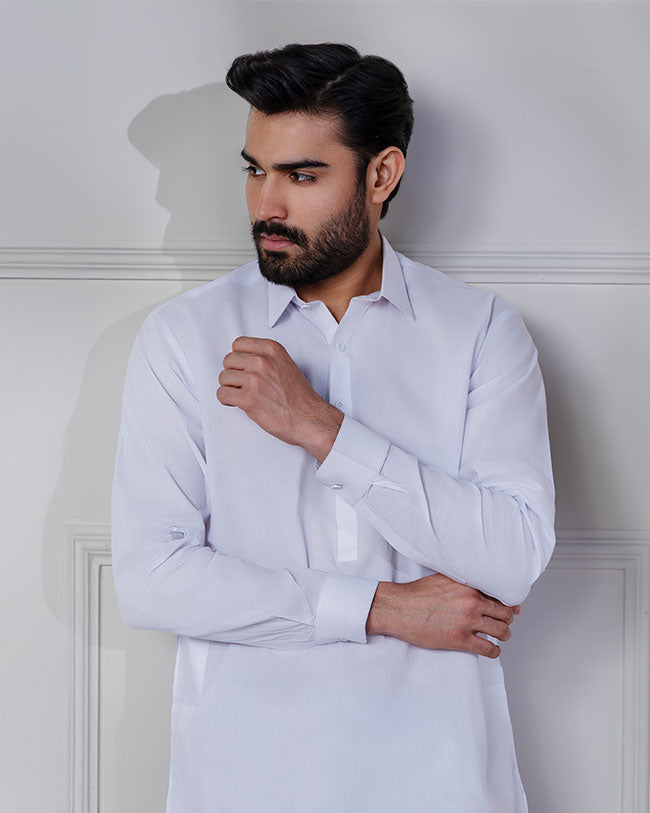
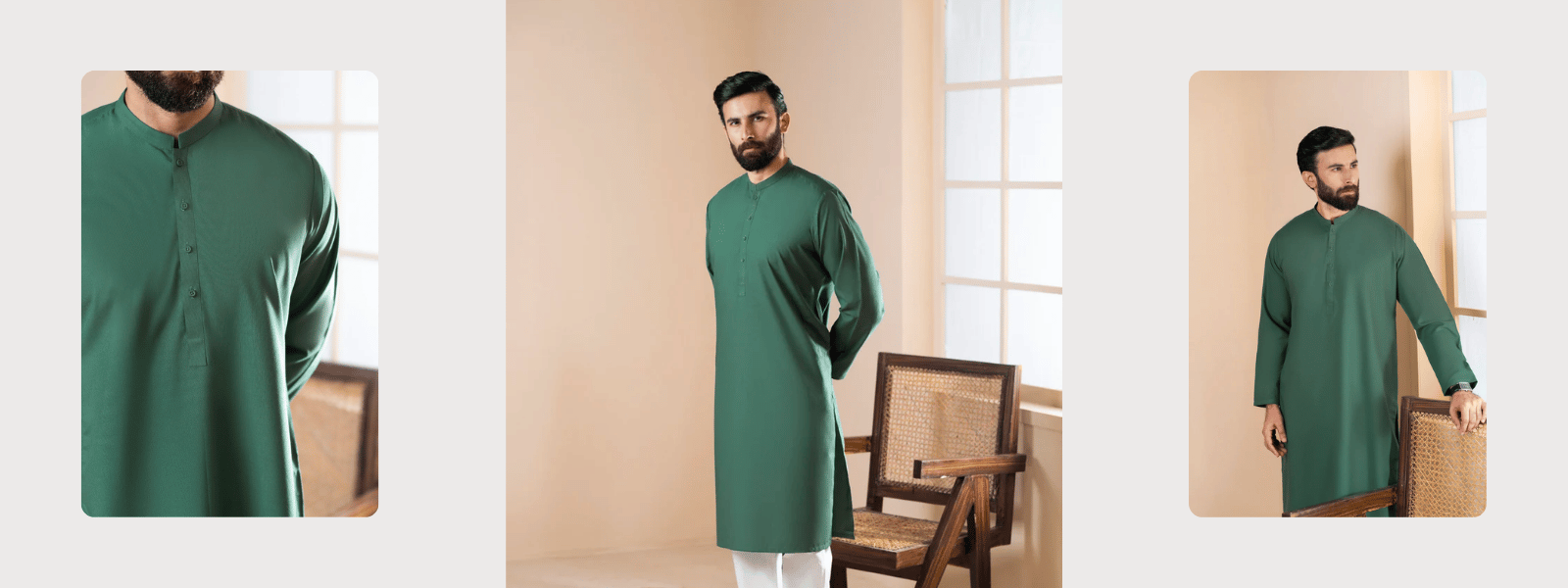
Walk into any office in a major Pakistani city five years ago and you would have found most men in Western business attire. The suit, the dress shirt, the formal trousers. Traditional clothing was reserved for Fridays, for Eid, for weddings. Everything else was Western by default. That default is shifting, and the shift is more deliberate and more interesting than most fashion conversations in Pakistan acknowledge. The Men Kurta is being taken seriously in a way it has not been before, and the reasons behind that shift say something genuine about how Pakistani men are thinking about identity, presentation, and what it means to dress well. Explore what Alkaram Studio offers in the men's collection and read on for an honest look at what is actually changing.
The Old Relationship Between Pakistani Men and Traditional Clothing
For most of the past two decades, Pakistani men maintained a clear and largely unexamined division in their wardrobes. Western clothing for professional and social contexts. Traditional clothing for religious and family occasions. The kurta and shalwar kameez were respected and worn with genuine affection, but they occupied a specific lane and rarely crossed into others.
This arrangement made a kind of cultural sense at the time. The professional world that educated urban Pakistani men were entering had internationalized, and Western business attire came with that territory. Wearing a kurta to a corporate meeting was unusual enough to require an explanation.
Nobody questions it today.
What Changed
Several things happened simultaneously, and their combined effect has been significant.
Pakistani men began to see their traditional clothing differently after a period of intense cultural reflection that the country went through in the mid 2010s. The kurta stopped being the thing you wore because your parents expected it and became something worn with genuine pride and conscious intention. That shift in attitude changed everything about how it was worn.
At the same time, Pakistani fashion brands invested meaningfully in elevating the quality and design of men's traditional clothing. The kurtas available in 2026 are cut differently from what was available ten years ago. The silhouettes are more precise. The fabrics are better selected. The finishing is more consistently professional. When you put on a well made contemporary kurta from a brand like Alkaram Studio, it does not feel like a concession to tradition. It feels like a genuine style choice.
The third factor is international. Pakistani men travelling, working internationally, and observing how South Asian men in other countries carry traditional clothing with confidence shifted something in the domestic conversation. Pride in traditional dress became something to be displayed rather than something to be kept for the appropriate context.
What the Modern Pakistani Man Expects from His Kurta
The standards have risen considerably, and they are worth naming specifically because they explain what distinguishes a well made contemporary kurta from the options that do not meet this new bar.
Fit is the first and most important expectation. A kurta that fits like a shirt from the shoulder to the waist and falls cleanly from there is a completely different garment from one that hangs loosely from the shoulder with no attention to the body line beneath it. Pakistani men are now accustomed to clothes that fit them properly, and they bring that expectation to their traditional wardrobe.
Fabric quality is the second. The difference between a cotton kurta in cheap fabric and one in properly sourced, well processed cotton is immediately apparent to anyone who has worn both. Modern Pakistani men, particularly those with exposure to international standards, feel this difference and they care about it.
Finishing is the third. Clean seams, well set collars, precisely hemmed sleeves. Details that the eye does not necessarily isolate but that the overall impression of the garment communicates instantly.
The Kurta in Professional Spaces
One of the most significant markers of this shift is the quiet but steady reappearance of the kurta in Pakistani professional environments.
Senior executives at major Pakistani companies have led this charge in many cases. A CEO who appears at an important meeting in a well cut white kurta rather than a Western suit makes a statement about confidence and identity that a suit simply cannot make in the same way. It says that Pakistani professional identity does not require Western signaling to be taken seriously.
That example has filtered down through corporate hierarchies in a way that genuine cultural shifts tend to do. When the person at the top of an organization is comfortable and proud in traditional clothing, permission travels downward.
Men kurta shalwar options for professional settings look different from casual ones. They tend toward cleaner lines, more restrained colour choices, and minimal or absent embellishment. The quality of the fabric does more work than the design. Alkaram Studio's professional range within the men's collection reflects this understanding.
What Has Not Changed
None of this means the suit is going anywhere. Pakistani men in 2026 maintain both wardrobes, just with a different attitude toward which one gets more care and attention.
What has changed is the hierarchy. Traditional clothing is no longer the secondary wardrobe. For many Pakistani men it has become the primary one, with Western clothing reserved for the specific contexts where it remains appropriate, which is a reversal of the arrangement that prevailed not long ago.
The kurta earned this position. Better design, better fabric, better fit, and a generation of Pakistani men who wear it with a confidence that makes it look extraordinary.
Visit the Alkaram Studio website today to explore the full men's collection and find the kurta that reflects exactly how you want to present yourself.


