
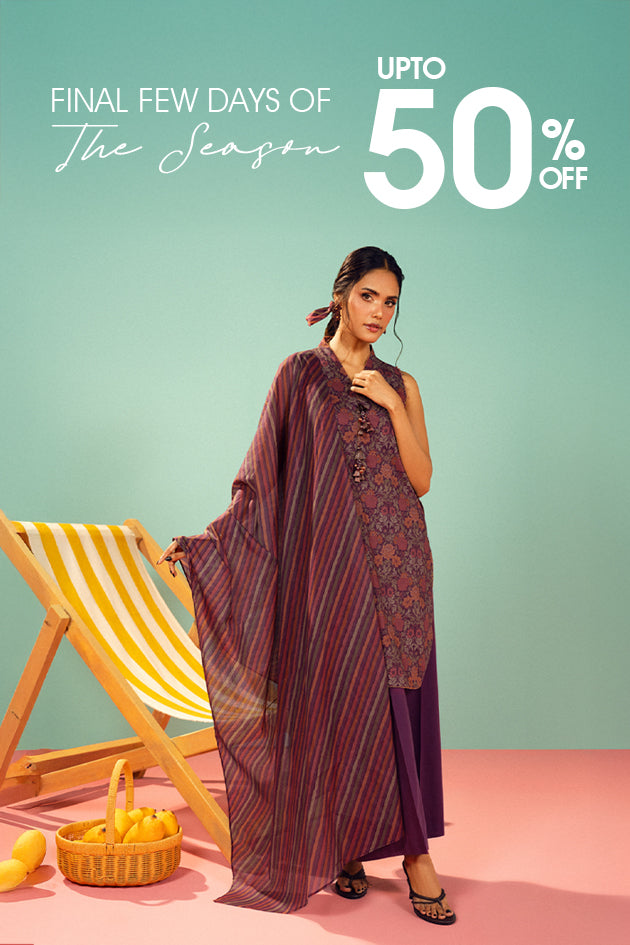
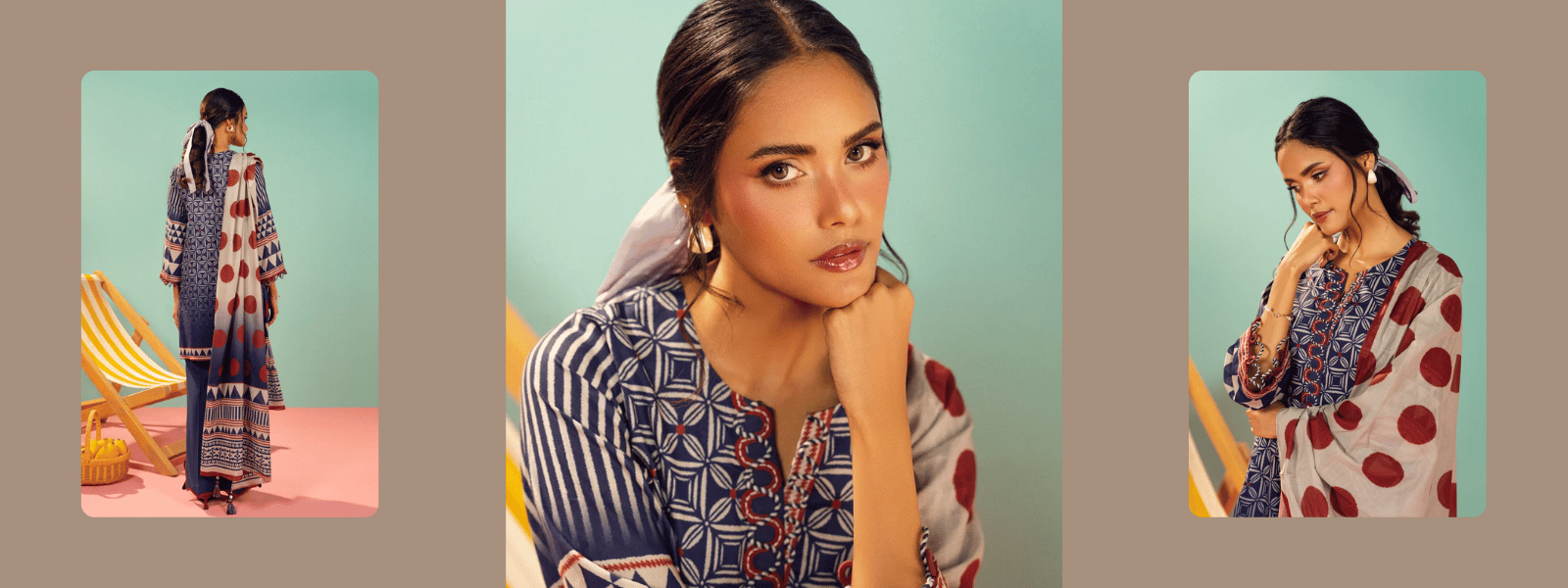
You have seen it happen. A printed lawn suit that looks extraordinary in a product photograph colours vibrant, print sharp, the model glowing arrives at your door and somehow looks nothing like what made you buy it. The fabric is the same. The print is the same. But the magic is gone. This is one of the most common frustrations in Pakistani fashion and almost nobody talks about what actually causes it. Understanding why printed lawn suits behave so differently from one woman to the next is the most practical thing you can learn before the next sale season. Browse the Alkaram Studio unstitched collection with this knowledge and your choices will be noticeably better.
The Photography Problem
The first reason is the simplest one, but it is rarely said plainly enough.
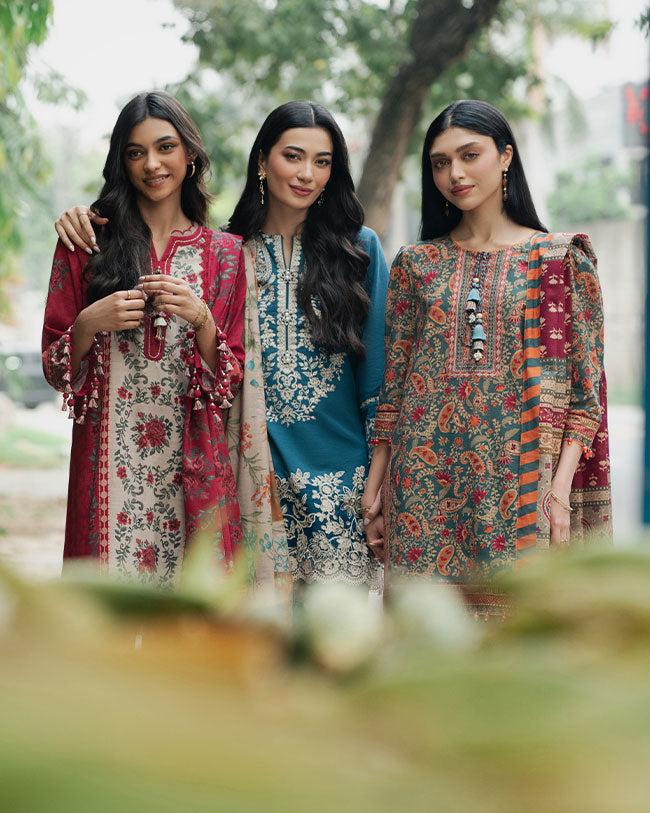
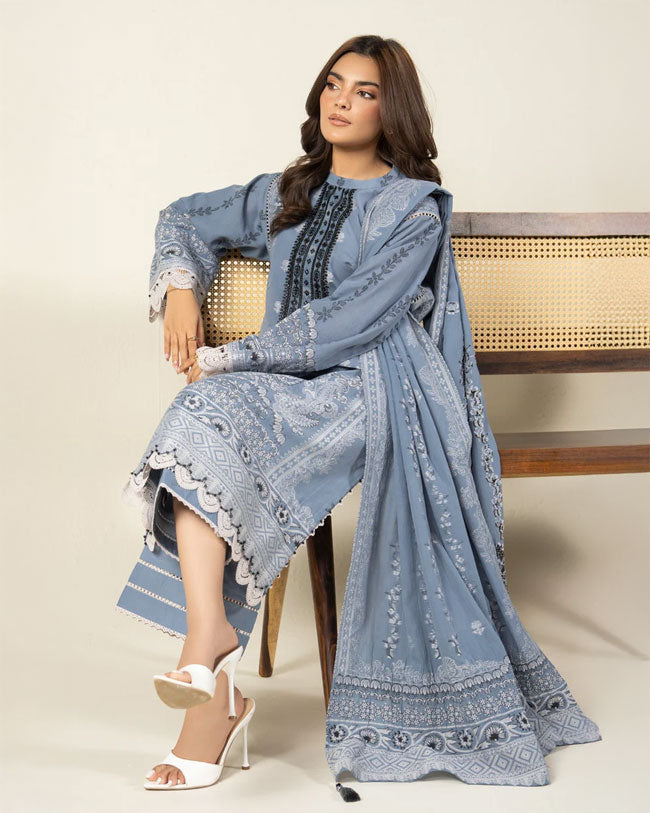
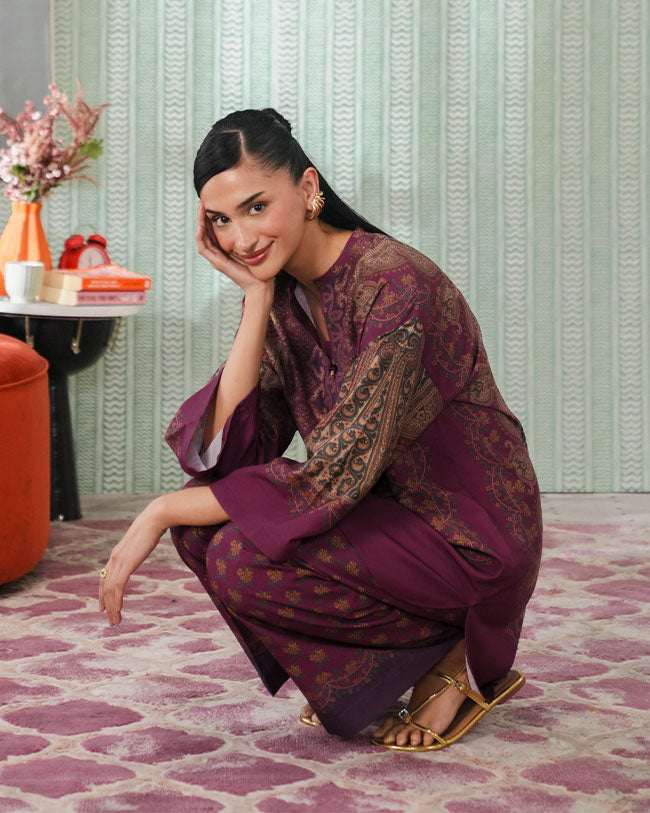
Product photographs for Pakistani lawn suits are taken under studio lighting, with professional colour calibration, on models whose skin tone has been specifically chosen to make those prints look their best. The photograph is not a neutral record of what the suit looks like. It is an optimized presentation of what the suit can look like under ideal conditions.
Your bedroom, your tailored silhouette, and your specific skin tone and undertone are not the same as those ideal conditions. The gap between the photograph and your experience is not a failure of the product. It is a gap between controlled photography and real life.
The practical implication of this is that you should assess a printed lawn suit based on what the print actually is rather than how it photographs. A print that is described as deep teal and burnt orange will read differently in morning light, in indoor fluorescent light, and in evening golden hour light. Learning to read the colour description and predict its real world behaviour is a more reliable skill than trusting how it looks in one specific photograph.
The Skin Tone Factor
This is the most significant and least discussed reason why the same print looks dramatically different on different Pakistani women.
Pakistan contains an extraordinary range of skin tones. Warm golden undertones, cool olive undertones, deep brown skin, fair pink toned skin all of these interact with fabric colour in completely different ways. A print that creates a beautiful contrast against one skin tone can clash or disappear against another.
The way to think about this is in terms of contrast and undertone.
High contrast prints, dark ground with bright motif, or light ground with saturated print tend to be the safest choices across the widest range of skin tones because the contrast itself creates visual impact regardless of the skin tone it sits against.
Low contrast prints soft pastels on off white, muted tones on light ground work beautifully on fair to medium skin tones but can read as washed out against deeper skin tones where the contrast between print and skin does not provide enough visual definition.
Warm colours (gold, orange, warm red, mustard) tend to work beautifully against warm golden and brown Pakistani skin tones. Cool colours (lavender, powder blue, cool pink) tend to work better against fairer, cooler skin tones but can look slightly off against warm deep skin.
Knowing your undertone is cool, warm, or neutral and matching your print choices to it makes a significant difference in how regularly you love the suits you buy.
The Stitching Effect
This is the factor that most Pakistani women underestimate when they buy unstitched fabric.
The silhouette your tailor creates from an unstitched lawn suit changes the print experience completely. A loose, flowing kaftan silhouette on a heavily printed fabric creates a different visual effect than a fitted shirt with a V-neckline in the same print. The placement of the neckline cut, the way the sleeves are set, and the overall proportions of the stitched garment determine how much of the print is visible, how the central motifs fall on the body, and how the print reads as a whole when the garment is moving.
When you look at an unstitched lawn suit in its fabric form, you are seeing all of the print simultaneously in a flat sheet. When that fabric becomes a shirt, you only see certain parts of the print at any given moment, and the parts that fall over the bust and across the shoulders carry the most visual weight.
Before buying a printed suit, look at the fabric and try to identify where the heaviest or most detailed section of the print is. Consider whether that section will fall over a flattering part of your body in your preferred silhouette. If the most elaborate embroidered section falls at the hip rather than the chest in your typical shirt length, the print will read differently than you expected when you saw it in the store.
The Dupatta Relationship
Pakistani women who consistently love their finished lawn outfits all share one habit. They think about the dupatta before they finalize their purchasing decision, not after.
The dupatta is not an accessory to the outfit. It is a third of the visual impression the outfit makes. A beautifully printed shirt with a dupatta that competes with it rather than complementing it produces a result that is less than the sum of its parts. A simpler shirt with a dupatta whose colour and embellishment perfectly frames the shirt can look far more impressive than a more elaborate suit whose dupatta relationship was not considered.
When assessing an unstitched three piece set, evaluate the dupatta's relationship to the shirt specifically. Does the dupatta pick up one of the accent colours from the shirt print? Does the border embellishment on the dupatta relate to any detailing on the shirt hem or neckline? If the answer to both is no, the set may look less cohesive once stitched than it appears in its fabric form.
How to Choose Better Before You Buy
Apply three filters before adding a printed lawn suit to your cart.
First, identify the dominant colour of the print and test it mentally against your skin undertone. Warm tones work with warm skin. Cool tones work with cooler skin. Neutrals work across the widest range.
Second, look at the print and identify where the most detailed or saturated section falls on the shirt piece. Imagine where that section will sit on your body in your preferred silhouette. If it falls at a flattering position, buy with confidence.
Third, look at the dupatta separately from the shirt. Ask whether it would look beautiful alongside the shirt or whether it would compete with it. If the answer is competition, factor that into your decision.
These three questions take less than two minutes and they significantly improve the proportion of printed lawn suits that become outfits you actually love wearing.
Visit the Alkaram Studio website today to browse the full printed lawn collection and apply these filters to find the suits that will look as good on you as they do in the photograph.


