
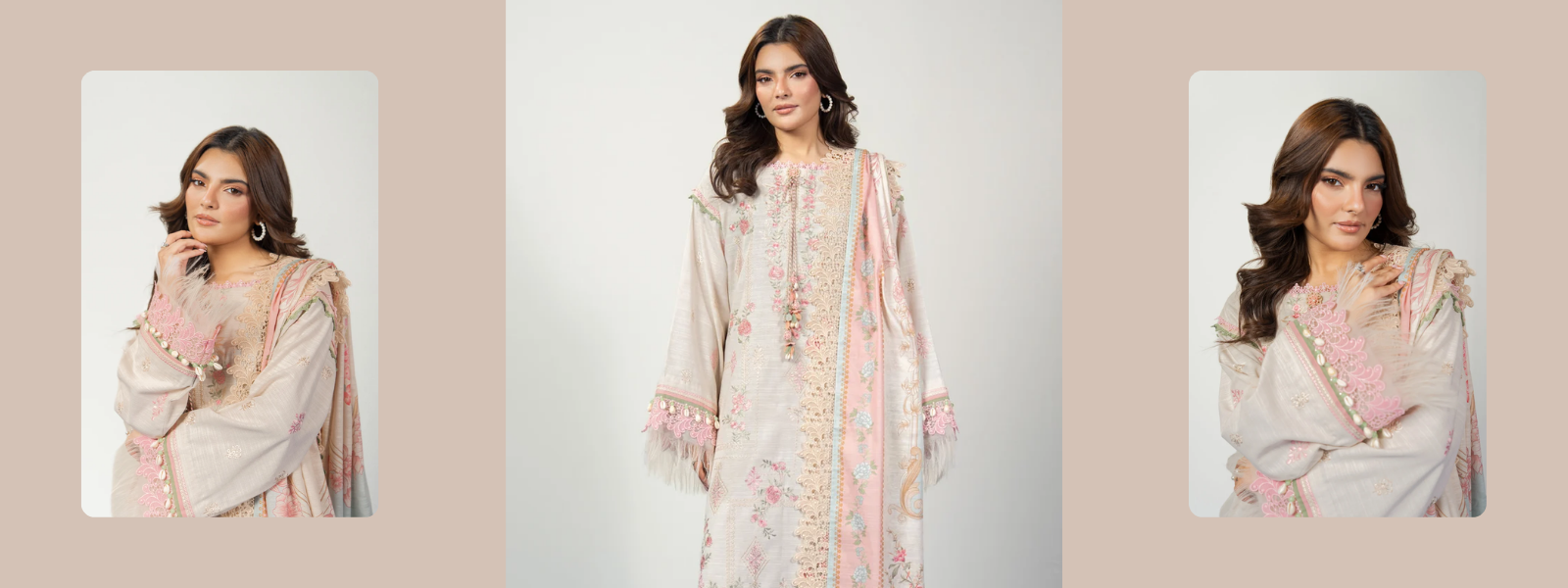
October is here, and Pakistan already feels like two different countries. Karachi afternoons still feel like summer. Islamabad evenings are already turning cool. By January, that gap gets even wider. That is why the best winter unstitched fabrics depend on more than the weather, they depend on the occasion too. Khaddar is made for daily warmth. Viscose is the easy, versatile middle fabric. Silk is kept for the season's dressiest days.
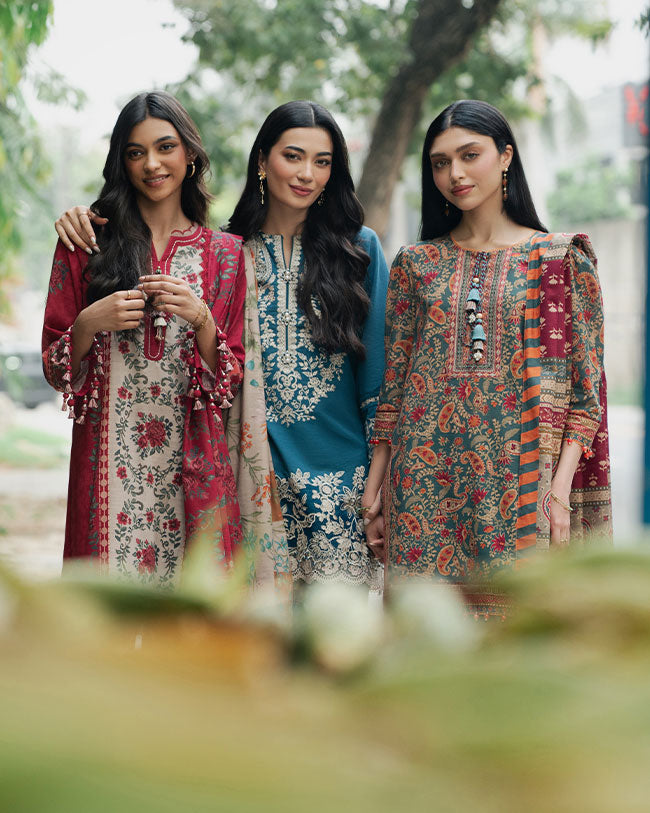
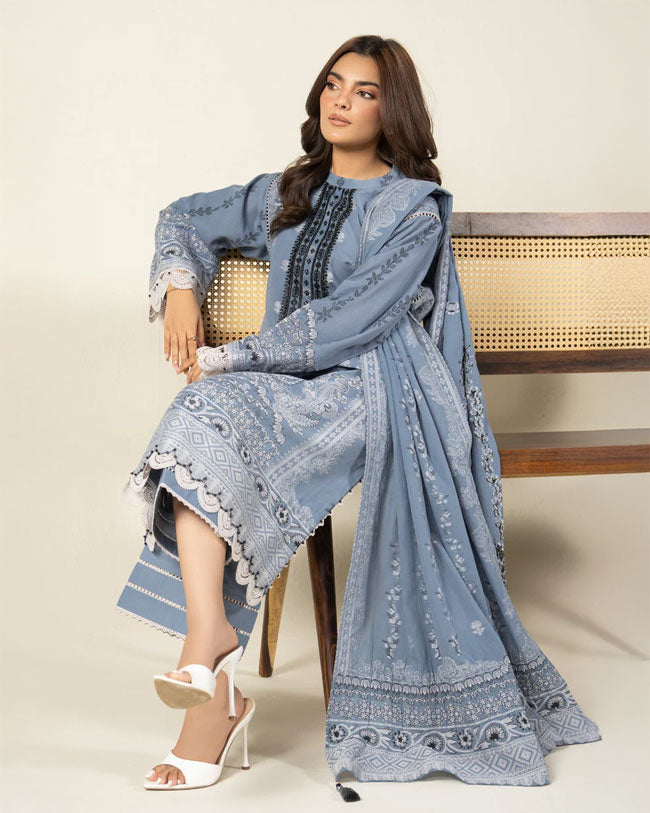
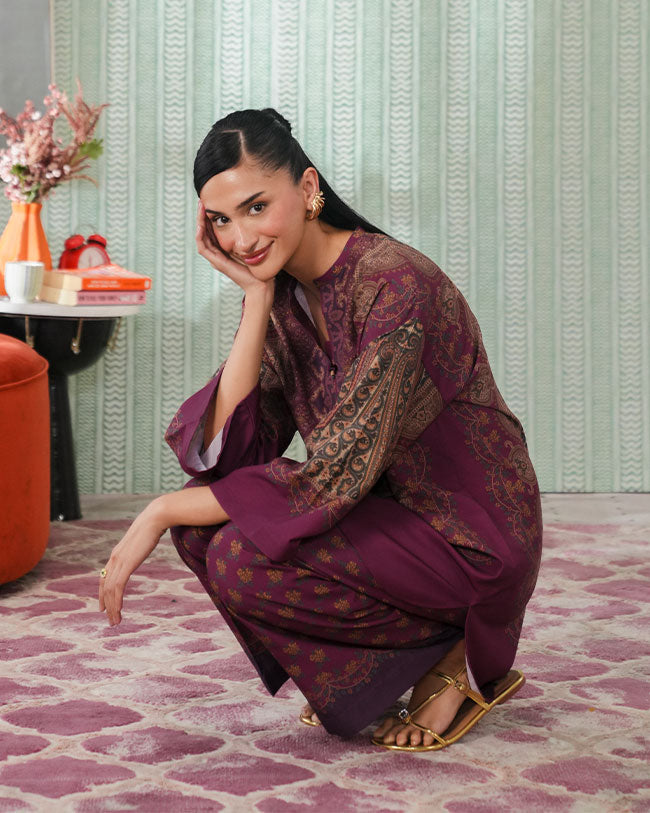
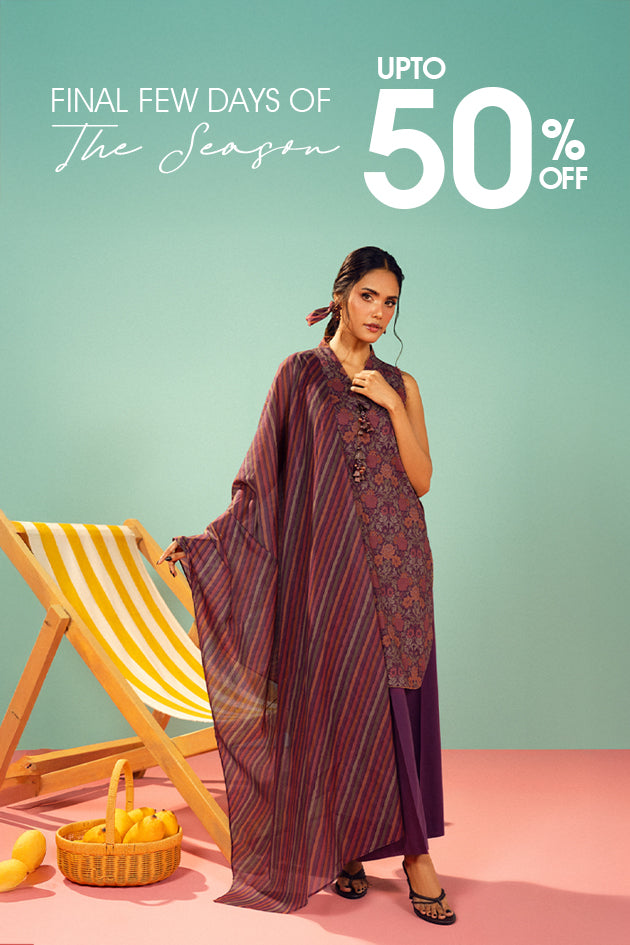
Alkaram's new Winter'26 collection is built on exactly these three fabrics. Winter Basics keeps things simple with printed khaddar. Winter Essentials adds khaddar and viscose three piece sets. Winter Capsule moves into chamois silk, crepe silk and embroidered jacquard, along with a dyed velvet set, for weddings and formal nights. This guide compares the three, so you know which fabric and which edit suits your city and your calendar.
Pakistan Has Three Winters, Not One
Pakistan does not get one winter. It gets at least three.
The south gets a soft winter. In Karachi, January nights usually fall to around 12 to 14°C. Afternoons still reach the mid 20s. Most people only need warmth after sunset.
Central Punjab gets a foggy winter. Lahore nights often sit around 5 to 7°C in January. The fog keeps the air damp, so the cold feels deeper than the number.
The north and Balochistan get a hard winter. Islamabad nights can drop close to 2 or 3°C. Quetta often goes below freezing.
So a suit that feels perfect in Clifton can leave you shivering on a Rawalpindi evening. Khaddar and viscose answer that question directly. Silk works a little differently, since it is chosen for the event more than the thermometer, and worn mostly indoors.
What Makes Khaddar Fabric So Warm?
Khaddar is warm because it is thick. It is woven from coarse yarn in a heavy weave. That weave traps a layer of air close to your body, and trapped air holds heat. This is why khaddar is still the first choice for cold cities across Pakistan.
The name comes from khadi, the hand spun and hand woven cloth of the subcontinent. Today most khaddar is made on machines. It is usually cotton or a cotton blend. The heavy, matte feel has not changed.
What you will love:
● It is the warmest of the three.
● It holds prints beautifully. Deep winter colors look rich on it.
● It is tough. A good khaddar suit lasts for many winters.
What to watch for:
● It feels a little stiff at first. It softens after a few washes.
● Small fuzz balls can form where the fabric rubs, like under the arms.
● Cotton rich khaddar can shrink slightly in hot water.
In Alkaram's new Winter'26 collection, khaddar runs through both the Basics edit, in simple printed two piece sets, and the Essentials edit, which adds three piece sets and a couple of embroidered pieces.
Why Viscose Fabric Feels Easy to Wear
Viscose is a smooth, softly draping fabric that falls close to the body without clinging. It is lighter than khaddar and does not have khaddar's heavy, matte texture, which is exactly why it works so well for long days at a desk or a family lunch that runs into the evening.
On its own, viscose is not as warm as khaddar. It earns its place in winter through the company it keeps, a dupatta or shawl worn over it, and the deeper, richer prints that suit the season.
What you will love:
● It drapes beautifully and never feels stiff.
● It wrinkles less than pure cotton, so it looks neat through a long day.
● It takes prints and dyes well, which is why Winter Essentials uses it for some of its richest colors.
What to watch for:
● It is not warm enough on its own for Islamabad or Quetta nights. Pair it with a shawl.
● Being lighter, it needs a slightly fuller cut to avoid clinging in cold, dry weather.
In Alkaram's new Winter'26 collection, viscose sits inside the Essentials edit, printed in three piece sets alongside khaddar.
What Makes Silk the Collection's Premium Fabric?
Alkaram's Winter Capsule edit is built around two kinds of silk, chamois silk and crepe silk, along with embroidered jacquard and one dyed velvet set. These are not chosen for raw warmth. They are chosen for how they look and move on a formal winter evening.
Chamois silk has a soft, slightly brushed hand, often used for kaftans and shirts that need to fall smoothly. Crepe silk has a little more texture and body, which holds a printed or embroidered design well. Both are lighter than khaddar, so they work best indoors, at a heated hall or a home function, rather than on an open lawn on a cold night.
What you will love:
● It looks and feels premium, with a natural drape that printed cotton cannot match.
● It takes embroidery and print beautifully, which is why Capsule pairs silk with the collection's most detailed designs.
● Kaftans in silk are effortless for a long evening, with no fitted seams to sit in for hours.
What to watch for:
● It is not a warmth fabric. Wear it for indoor events, or add a shawl for anything outdoors.
● Silk needs gentler care than khaddar or viscose. Skip the washing machine.
Khaddar vs Viscose vs Silk: Which One Fits Which Day?
Khaddar is the warmest of the three, built for daily wear in cold cities. Viscose is lighter and easier to wear for long days at work or with family. Silk is the least warm on its own but the most formal, built for evenings rather than errands.
Here is how all three compare side by side:
|
Fabric |
Warmth |
Weight and feel |
Best for |
Alkaram edit |
|
Khaddar |
High |
Heavy, matte, a little stiff at first |
Daily wear, cold cities, outdoor events |
Winter Basics, Winter Essentials |
|
Viscose |
Moderate |
Smooth, soft drape |
Office, family days, indoor dawats |
Winter Essentials |
|
Silk (chamois and crepe) |
Low on its own |
Smooth, fluid, premium finish |
Weddings, formal evenings, indoor functions |
Winter Capsule |
A quick test helps in a store. Hold the fabric up to a light. The less light that passes through, the denser the weave and the warmer the suit. Silk lets more light through than khaddar, which is exactly why it is worn indoors.
Shopping online? On Alkaram's website, the fabric name appears right above each product title, for example KHADDAR | PRINTED or CHAMOIS SILK | PRINTED. You can also use the Fabric filter to see khaddar, viscose or silk on their own.
How to Pick Winter Unstitched Fabrics for Your City
Start with your coldest evening, not your warmest afternoon. That decides how much khaddar you need. Then layer in silk for the events on your calendar, wherever you live.
● Karachi, Hyderabad and coastal Sindh: Viscose covers most of the season comfortably. Keep a khaddar piece or two for the coldest weeks of January.
● Lahore, Faisalabad and Multan: Khaddar is your daily fabric from December to February. Viscose works well for November and for indoor days.
● Islamabad, Rawalpindi and Peshawar: Choose khaddar for most of the season. Save viscose for indoor days, paired with a shawl.
● Quetta, Murree and the north: Pick the heaviest khaddar you can find and layer up. Viscose alone will not be enough outdoors.
● Silk, wherever you live: Save it for indoor weddings, dinners and formal evenings. It is about the occasion, not the city.
Winter Wedding Outfits: Which Fabric for Which Event?
The wedding season in Pakistan starts in October and runs through the cold months. Every event has its own weather. Dholkis happen at home. Mehndis are often outdoors at night. Barats and walimas usually take place in halls full of guests and lights. Match your fabric to the venue, not just the month.
● Dholki at home: Embroidered viscose or a printed silk kaftan. Both let you sit on the floor and dance without feeling weighed down.
● Mehndi outdoors: Embroidered khaddar in Lahore, Islamabad and colder cities. In Karachi, viscose with a shawl is enough.
● Barat in a hall: Silk or embroidered jacquard from Winter Capsule. Halls warm up fast with crowds and lights, and heavy khaddar can feel like too much after an hour.
● Walima: Silk in rich colors, or khaddar if the venue is open air in Punjab or the north.
Early October weddings in the south still feel like late summer. Viscose or silk is the safest bridge between the two seasons.
One more tip. Tailors across Pakistan get booked weeks ahead in wedding season. Buy your fabric early and hand it over before the rush. An unstitched suit lets you choose the neckline and sleeves for each event, but only if your tailor has the time to get them right.
Stitching Tips That Make Any Suit Warmer
The real advantage of women's unstitched suits is control. You decide how warm the finished outfit feels. A few stitching choices add a lot of warmth without changing the fabric.
● Go for full sleeves and a higher neckline. Both keep heat close to your body.
● Choose a straight trouser or shalwar for cold cities. Cropped styles leave your ankles in the cold.
● Line your silk or viscose shirt if it feels too light against the skin. A simple cotton lining adds warmth without changing how the outfit looks.
● Wash khaddar once before stitching. Any shrinkage then happens before the tailor cuts it.
● Think about the dupatta. A heavier dupatta or a shawl adds real warmth on cold evenings.
How to Care for Khaddar, Viscose and Silk
Khaddar and viscose:
● Wash inside out in cold or lukewarm water.
● Use a gentle cycle and a mild detergent.
● Skip the bleach.
● Dry in the shade. Strong sun fades winter colors.
● Iron on medium heat. Iron embroidered pieces from the inside.
● Remove fuzz balls on khaddar with a lint remover or fabric shaver. Never pull them off by hand.
Silk:
● Hand wash in cold water, or have it dry cleaned, especially if it is embroidered.
● Never wring it. Press the water out gently and dry flat in the shade.
● Iron on low heat from the reverse side, or use a pressing cloth.
● Keep perfume and spray products away from silk pieces, since alcohol based sprays can mark the fabric.
Your Winter Fabric Questions, Answered
Which fabric is best for Lahore winters?
Khaddar is the best choice for Lahore from December to February. Its thick weave holds heat on damp, foggy nights. Viscose works well in November and at indoor events.
Is viscose good for everyday wear?
Yes. Viscose is comfortable for office, university and errands in mild winter cities like Karachi. In colder cities, pair it with a shawl or an inner layer.
Does khaddar shrink after washing?
Cotton rich khaddar can shrink slightly, mostly in hot water. Wash it in cold water. Washing it once before stitching lets your tailor work with the final size.
Is silk warm enough for winter?
Not on its own. Silk pieces in Winter Capsule are built for indoor events, heated halls and formal evenings, not for outdoor cold. Pair silk with a shawl if you need to step outside.
Dress for Your Own Winter
Pick your fabric for your day, not just your weather. Khaddar is for real, everyday cold. Viscose is the easy middle ground for work and family time. Silk is for the evenings you have been looking forward to. Buy early, stitch smart, and you will be dressed right from the first dholki to the last walima.
Explore Alkaram's new Winter'26 collection in khaddar, viscose and silk, and get your winter stitching done before the wedding rush.


