
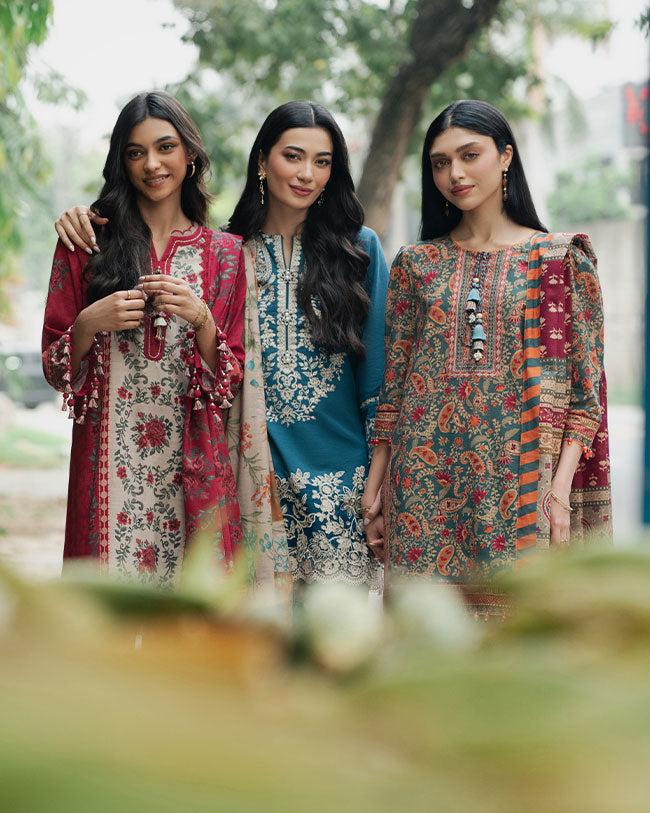
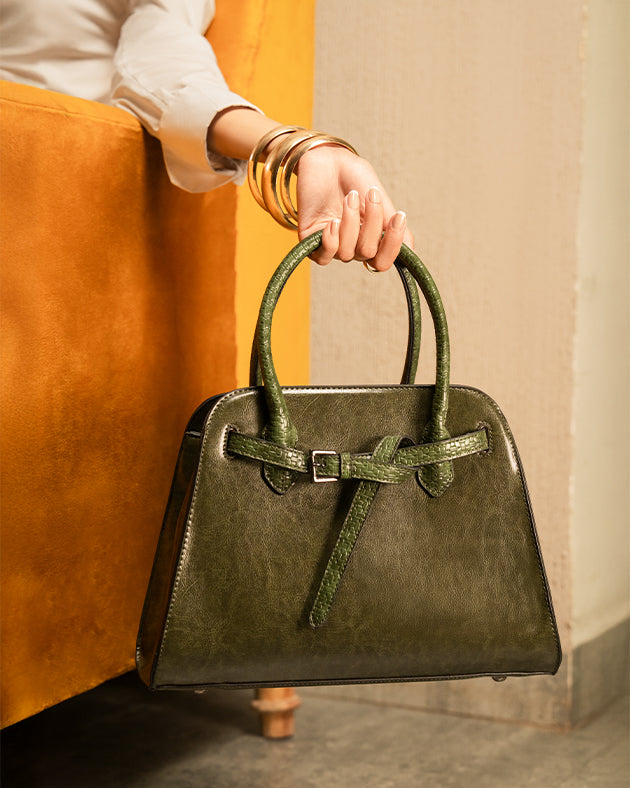
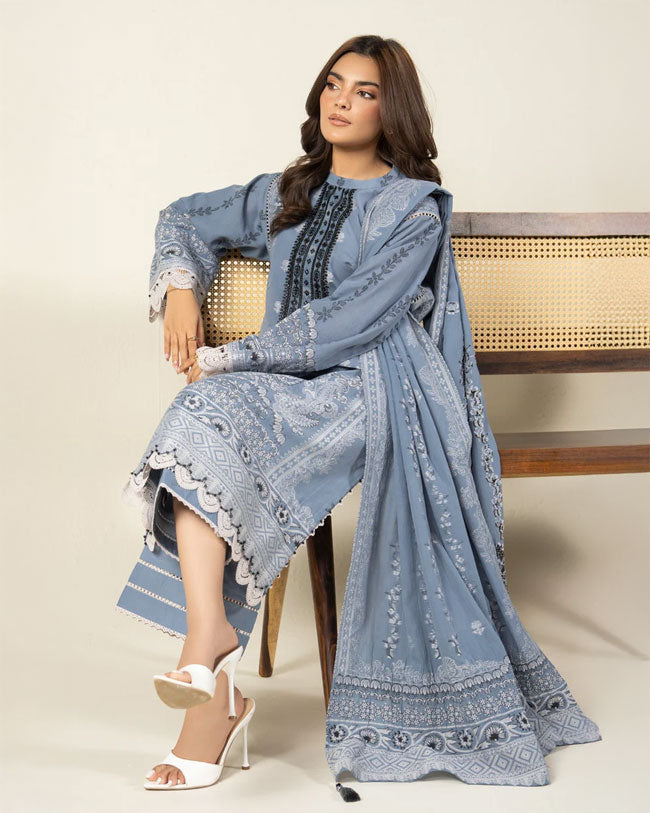
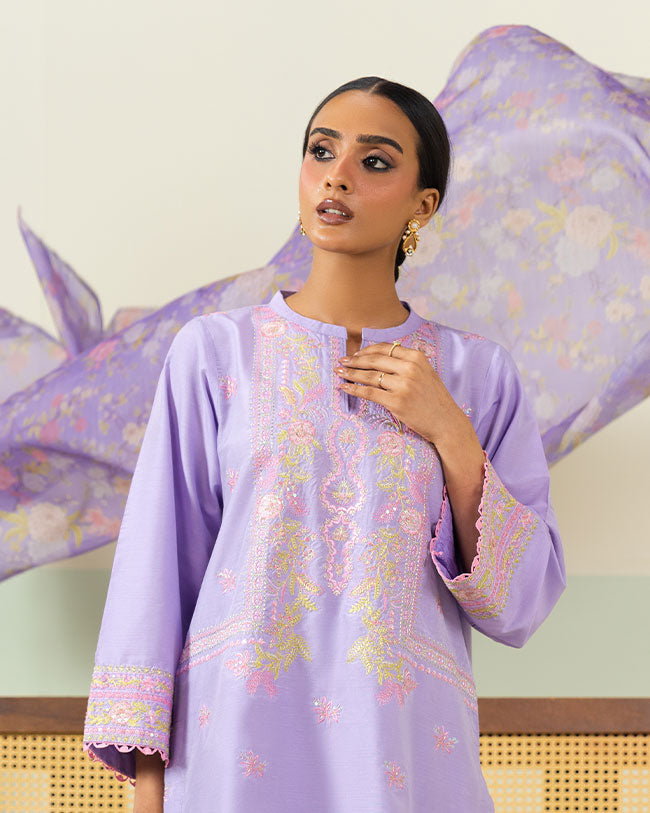
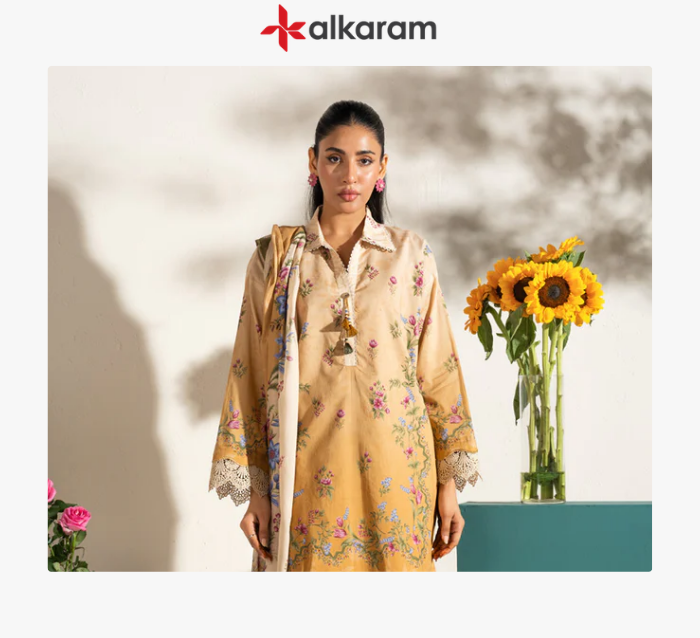
There is a particular kind of confidence that comes from wearing an outfit that was made specifically for you. Not adjusted to fit you. Not altered after the fact. Made for you, from fabric you chose, in a silhouette you decided. This is the quiet power behind unstitched suits, and it is the reason Pakistani women have built their wardrobes around this format for generations. If you are new to buying unstitched, or if you have been buying it for years but never quite getting the result you wanted, this guide covers the complete journey from browsing the women's unstitched collection to wearing a finished outfit that genuinely makes you feel your best.
Every piece of advice in this guide comes from understanding how Pakistani women actually shop, how Pakistani tailors actually work, and what actually goes wrong between a beautiful piece of fabric and a disappointing final outfit. Read it once before your next purchase and the difference will be immediate.
Why Pakistani Women Have Always Preferred Unstitched Suits
The preference for unstitched fabric runs so deep in Pakistani fashion culture that it is easy to forget it is actually a choice rather than a default. Women in other parts of the world shop almost entirely in ready to wear. Pakistani women consciously choose the unstitched route again and again, and the reasons are both practical and deeply personal.
The most obvious reason is fit. Pakistan does not have a standardised sizing system that works reliably across the country's diverse range of body types, heights, and proportions. A shirt labelled medium from one brand may fit completely differently from a medium at another. When you buy unstitched fabric and take it to a tailor who knows your body, you get a garment that fits your actual measurements rather than an approximation of them. The neckline sits where it should. The sleeves end at exactly the right point. The shirt falls at the length that flatters your specific proportions.
The second reason is creative control. When you buy a finished outfit, you receive whatever silhouette the designer decided upon. When you buy unstitched fabric, you receive the raw material and you make the decisions. You choose the neckline style. You decide on the sleeve cut. You determine whether you want a fitted shirt or a more relaxed silhouette. If you have a particular tailoring style that you know suits you, you can apply it to every unstitched suit you buy, which means every finished outfit you own will flatter you in the same reliable way.
The third reason, and perhaps the most overlooked, is longevity. An unstitched suit that has been well chosen and properly tailored to your exact measurements will last significantly longer in your wardrobe than a ready to wear piece because it fits you properly from day one. There is no stretching at the seams, no pulling at the shoulders, no hemming that was done in a hurry to approximate your height. Everything is right from the start, and a garment that fits well holds its shape and appearance far longer than one that has been forced to work against its construction.
Women Unstitched Suits: Understanding What You Are Actually Buying
Before you can choose a good unstitched suit, you need to understand what you are actually purchasing when you pick up a three piece set from the Alkaram Studio collection.
A standard unstitched suit consists of three separate fabric pieces. The shirt fabric is the largest piece and typically the most decorated, carrying the main print, embroidery, or design work. The trouser fabric coordinates with the shirt in colour and sometimes in print, and is cut to provide enough material for a full length trouser in whatever style you prefer. The dupatta completes the set and is finished separately, often with embroidered or printed borders that tie the entire look together.
Women unstitched suits from Alkaram Studio are sold as complete sets where all three pieces have been designed to work together. This is an important point because it is entirely possible to buy unstitched pieces separately and attempt to mix and match, but the result rarely achieves the cohesion of a properly designed set where every element was created with the other two in mind.
When you are assessing a three piece unstitched set, you are looking at three distinct things. You are looking at the shirt piece for design quality, print clarity, and embroidery execution if it is an embroidered option. You are looking at the trouser fabric for whether it coordinates naturally with the shirt rather than simply existing in a similar colour family. And you are looking at the dupatta for how it will style alongside the finished shirt, because a dupatta that clashes with or overpowers the shirt will undercut the entire outfit regardless of how beautiful the shirt piece is on its own.
Fabric Guide for Unstitched Suits: Lawn, Cotton and What Each Season Needs
Pakistan's climate creates a genuinely demanding environment for clothing. Summers are intensely hot and humid in many regions. Winters range from mild in Karachi to genuinely cold in the northern cities. And the transitional months between seasons create their own requirements. Choosing the right fabric for unstitched suits is not just about aesthetics. It directly affects how comfortable you are, how long the outfit lasts, and how well the garment holds its shape through regular wear and washing.
Lawn for Summer
Lawn is the undisputed fabric of choice for Pakistani women's summer dressing, and the reasons are entirely practical. Lawn is a finely woven cotton fabric with a high thread count that results in a fabric that is simultaneously lightweight, breathable, and capable of carrying detailed prints and embroidery with exceptional clarity.
In Pakistan's summer heat, lawn does what no synthetic alternative can replicate. It allows airflow close to the skin, which keeps body temperature regulated through long hot days. It absorbs a small amount of moisture without feeling damp or clingy. And because it is a natural fibre, it does not trap heat against the body the way polyester blends do.
When buying lawn, assess the hand feel of the fabric. Quality lawn should feel fine and slightly crisp rather than rough or loosely woven. Hold the fabric up to light and look at the weave. A tightly woven lawn will carry print more clearly, drape more elegantly when stitched, and last longer through repeated washing than a loosely woven alternative.
Cotton for Year Round Wear
Standard cotton, as distinct from lawn which is a specific type of cotton, offers a slightly heavier hand feel and is ideal for the transitional months and for women who find pure lawn too lightweight for their liking. Cotton unstitched fabric stitches very cleanly, holds its shape well, and softens with each wash in a way that only improves the wearing experience over time.
For women unstitched suits that will be worn across multiple seasons, a medium weight cotton is often the most practical choice. It is substantial enough to drape well in cooler weather without becoming uncomfortable when temperatures rise. Cotton also responds very well to both machine and hand washing, which makes maintaining the garment significantly easier over its lifespan.
Blended Fabrics for Special Occasions
Blended fabrics that combine cotton with synthetic fibres or with natural fibres like silk or viscose offer specific performance benefits that pure cotton cannot always replicate. Blended fabrics often have a slightly silkier hand feel and a more fluid drape than pure cotton, which makes them particularly suitable for formal and festive occasions where a more luxurious appearance is appropriate.
The trade-off with blends is that they require more careful washing and care than pure cotton, and they do not breathe quite as naturally. For everyday wear in the Pakistani summer, pure lawn or cotton is almost always the better choice. For weddings, Eid occasions, and formal events, a well chosen blended fabric can add a level of visual polish that plain cotton does not always deliver.
How to Read a Printed Lawn Suit Before You Buy
Printed lawn suits are among the most popular items in any unstitched sale, and for good reason. A well designed print on quality lawn fabric is one of the most versatile and wearable wardrobe investments a Pakistani woman can make. But not all printed lawn suits are equal, and knowing what to look for before you buy prevents the disappointment of fabric that looked beautiful in a product photo but proved disappointing in person.
Print Clarity and Placement
The clarity of a print is determined by the printing process and the quality of the base fabric. Digital printing on high quality lawn produces prints with exceptional colour definition and fine detail. Screen printing produces slightly different results depending on the screen quality and the number of colours used.
When assessing a printed suit, look at how cleanly the colours sit within their boundaries. Bleed, where one colour bleeds slightly into an adjacent colour, is a sign of lower printing quality. The print should look crisp and intentional rather than soft and slightly muddy at the edges.
Print placement matters enormously for the final stitched result. A print on a shirt piece that has been designed with the neckline in mind will look very different from a print where no thought was given to where a neckline might fall. Before buying a printed lawn suit, mentally map where a neckline would sit on the shirt piece and consider whether the print will still look balanced and intentional once that neckline has been cut.
Colour Fastness
Colour fastness refers to how well a fabric's colours hold up through washing. A printed lawn suit that fades significantly after its first wash is a poor investment regardless of how beautiful it looks before washing.
Quality printed lawn from trusted brands uses dyes that are fixed into the fabric during the printing process rather than simply sitting on the surface. If you are shopping in person, one informal test is to dampen a small inconspicuous corner of the fabric and press a white cloth against it. If significant colour transfers to the white cloth, the colour fastness of the fabric is not reliable. If very little or no colour transfers, the dye is well fixed and the colours will hold through regular washing.
The Dupatta's Relationship to the Print
One of the most common disappointments Pakistani women experience with printed lawn suits is buying a beautiful shirt piece and then finding that the dupatta does not work with it once the shirt is stitched. This happens when the print of the shirt and the design of the dupatta compete for attention rather than complementing each other.
A well designed unstitched set will have a dupatta that serves either as a frame for the shirt or as a coordinating accent. A heavily printed shirt generally pairs best with a plain, tonal, or subtly printed dupatta. A plainer shirt can support a more decorated dupatta with embroidered or printed borders. When both the shirt and the dupatta are equally busy, the eye has nowhere to settle and the overall effect is less polished than either piece deserves.
Lawn Unstitched Sale: When to Buy, What to Expect and How to Act
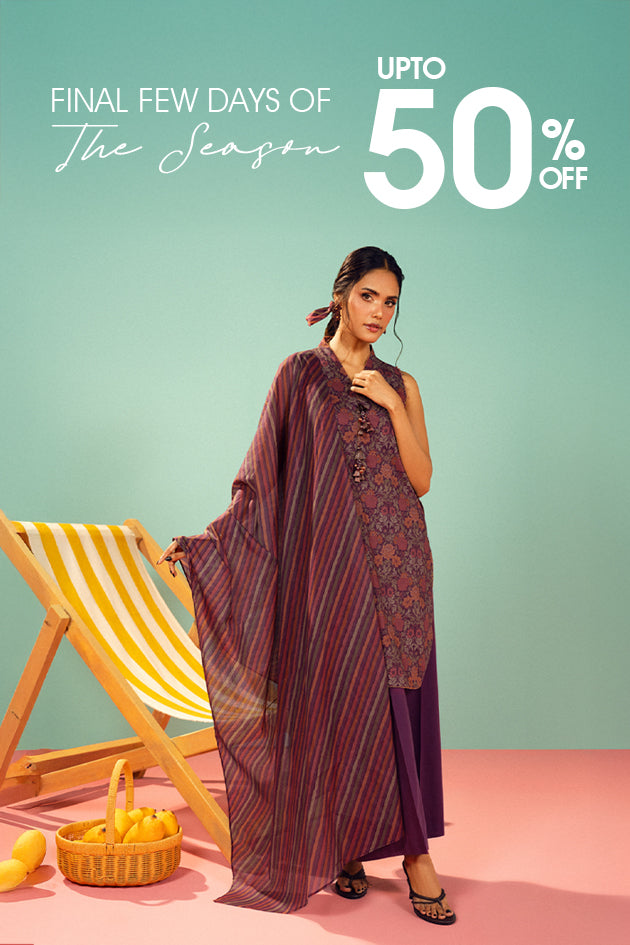
The lawn unstitched sale at Alkaram Studio is one of the most anticipated events in the Pakistani fashion calendar, and understanding how to shop it well is genuinely valuable because the way most women approach a sale is the reason they often end up with pieces they love less than they expected.
When the Sale Happens and Why the Timing Matters
Alkaram Studio runs seasonal sale events aligned with the Pakistani fashion calendar. The summer lawn sale typically follows the initial launch of the summer collection and represents the brand's way of making its most popular designs accessible at a broader range of budgets.
The best time to shop the unstitched sale is as early as possible after it opens. This is not simply a cliché. The pieces that sell out first during any sale are always the most popular designs, the prints that resonate most strongly with the most women, the colours that suit the widest range of skin tones, and the embroidered options in the mid-price bracket where value is most apparent. Shopping early means you access the full range. Shopping late means working around what is left.
What Categories Offer the Best Value During the Sale
Not all sale items represent equal value. Here is a genuinely honest guide to which categories offer the strongest returns during an unstitched sale.
Embroidered suits in the mid-range bracket almost always offer the best value during a sale. These are pieces where the labour and time invested in the embroidery work means the full price reflects genuine craft cost. A sale discount on an embroidered suit represents a more meaningful saving than the same percentage discount on a plain printed option.
Printed basics in fresh colourways are the strongest everyday purchase during the sale. These are the pieces you will reach for most often and wear most frequently, so buying several during a sale at reduced prices makes very practical wardrobe sense.
Premium and luxury pieces are the most powerful sale opportunity for women who want to invest in quality that would otherwise be outside their usual budget. The sale period is genuinely the best time to add a piece from the upper end of the collection to your wardrobe because the discount makes the investment more accessible without any reduction in what the piece delivers.
What to Avoid During the Sale
Avoid buying pieces simply because they are on sale rather than because you genuinely want them and will wear them. A deeply discounted piece that does not suit your colouring, your lifestyle, or your existing wardrobe is not a bargain. It is money spent on something that will sit in your wardrobe and create the specific guilt that comes from knowing you bought something you should not have.
Avoid buying more than you can realistically have stitched in a reasonable timeframe. Unstitched fabric that sits waiting for more than a few months begins to feel like obligation rather than pleasure, and the pieces at the bottom of the pile often end up never being stitched at all.
How to Brief Your Tailor: The Exact Conversations That Get You the Result You Want
The quality of your finished unstitched outfit depends as much on the quality of the briefing you give your tailor as it does on the quality of the fabric you have bought. This is the part of the process most women handle least effectively, and it is almost always where the gap between expectation and result appears.
Before the First Appointment
Before you visit your tailor, spend ten minutes doing one thing. Find a photograph of an outfit silhouette that made you feel genuinely confident and beautiful the last time you wore something similar. This does not need to be a fashion photograph. It can be a photograph of yourself in an outfit you loved, a picture saved from social media, or even a screenshot from a brand website. The photograph gives your tailor something specific to work from rather than requiring them to interpret verbal descriptions, which are notoriously unreliable guides for achieving a specific silhouette.
Write down three specific measurements before your appointment: the neckline depth you prefer (how low or high you want the front of the neckline to fall), the sleeve length that suits you best (exactly to the wrist, or slightly shorter, or with a small cuff), and the shirt length that you have found most flattering in the past. These three measurements, combined with your standard body measurements, give your tailor a genuinely useful brief rather than the vague guidance most clients provide.
At the Appointment
Tell your tailor exactly which occasion the outfit is being made for. This is information that changes decisions. A formal occasion calls for different seam finishing, different hem treatment, and often a different silhouette than an everyday outfit. A tailor who knows the context will make better decisions throughout the stitching process.
If you have brought a reference photograph, show it at the beginning of the appointment rather than at the end. Allow your tailor to raise any concerns about whether the reference silhouette is achievable with your specific fabric before you have committed to it.
Ask for a fitting before the final stitching is completed. A good tailor will offer this as standard, but if yours does not, request it. Seeing the garment on your body at an intermediate stage costs relatively little time and allows adjustments that would be very difficult or impossible to make after the final stitching is complete.
Common Stitching Instructions That Pakistani Women Often Forget to Give
Collar stay stitching on the kurta: If your shirt has a collar, ask your tailor whether they will be adding a stay stitch inside the collar so it lies flat through wear and washing. This is a small detail that makes a large difference to how the finished shirt looks and holds up.
Dupatta finishing: Tell your tailor specifically how you plan to wear the dupatta and whether you want any additional finishing on the edges beyond what the fabric already has. Some women prefer their dupattas left unedited. Others want a matching lace edge, a rolled hem, or a specific finishing that complements the rest of the outfit.
Trouser taper: Specify whether you want a wide leg trouser, a tapered leg, or a specific measurement at the ankle. This is one of the most common areas of miscommunication between women and tailors, and specifying it clearly at the beginning saves a great deal of frustration at the fitting stage.
Common Mistakes Pakistani Women Make with Unstitched Suits
Understanding what goes wrong is as useful as understanding what to do right. These are the most common mistakes women make when buying and stitching women unstitched suits, and knowing them in advance prevents you from repeating them.
Buying for the fabric rather than the finished outfit. A piece of fabric that is beautiful as a flat object in a store does not always produce a beautiful finished outfit. Learn to visualise the stitched result rather than responding to the fabric in its raw form. Ask yourself where the neckline will fall, how the print will look once the shirt is cut, and whether the dupatta will work with the finished shirt rather than simply with the shirt fabric in its uncut state.
Not checking the fabric quantity. Most three piece unstitched suits include enough fabric for a standard shirt, trouser, and dupatta in average measurements. However, if you are taller than average, need a longer shirt length, or have specific measurements that require more fabric than standard, you need to check the quantity before buying. Running out of fabric mid-stitching is one of the most frustrating experiences in unstitched shopping and it is entirely preventable.
Rushing the tailor. The quality of stitching is directly related to the time available to do it properly. When you bring fabric to a tailor with a very tight deadline, the quality of the finished result will almost always reflect that urgency. Plan your purchases so that you have at least two weeks between bringing fabric to your tailor and when you need the finished outfit.
Ignoring the trouser fabric. Most women focus almost entirely on the shirt piece when assessing an unstitched suit and give very little thought to the trouser fabric. The trouser is visible throughout the wearing of the outfit and a poor quality or poorly coordinated trouser fabric will be noticeable. Assess the trouser fabric as carefully as you assess the shirt.
Styling the Finished Outfit: How to Wear Your Unstitched Suit for Different Occasions
Once your suit is stitched, the remaining decisions are about how to present it for specific occasions. The same well tailored unstitched suit can read very differently depending on how it is styled, which means a single outfit can serve multiple occasions throughout the season.
For Everyday and Casual Wear
Let the outfit breathe. Everyday styling for a printed lawn suit works best when accessories are minimal and the emphasis is on the print itself. A pair of simple earrings, flat sandals or khussas, and a dupatta draped loosely over one shoulder gives a look that is effortless and put together without feeling overdressed for an ordinary day.
Keep footwear flat or low heeled for everyday occasions. This is partly practical and partly aesthetic. A lightweight lawn suit styled with heavy heels creates a visual mismatch that works against the natural ease that makes lawn dressing so appealing in the first place.
For Semi Formal Family Occasions
The dupatta is your main styling tool for elevating a printed lawn suit from casual to semi formal without changing the outfit itself. Pinning the dupatta symmetrically at both shoulders rather than draping it casually over one immediately makes the same outfit read as more formal and more considered. Add block heels or embellished flats, replace simple studs with statement earrings, and choose a clutch or structured bag rather than a casual tote.
Hair and makeup contribute significantly to how formal an outfit reads. An updo or a neat blow dry alongside defined makeup moves the same lawn suit into semi formal territory with no change to the clothing itself.
For Eid and Festive Occasions
For Eid, the styling strategy shifts entirely. The goal is to look your most impressive version of yourself while remaining comfortable through a long day of family gatherings, prayers, and celebrations.
Choose the most embellished or richly detailed piece in your unstitched suit wardrobe for Eid day. Style the dupatta formally, add your finest jewellery, and select footwear that is beautiful enough to match the occasion even if you know you will be on your feet for extended periods.
The one styling mistake to avoid on Eid specifically is over-accessorising. Pakistani women sometimes feel that an important occasion demands every piece of jewellery they own worn simultaneously. The result is almost always less impressive than a more considered selection of fewer, better pieces. Choose your jewellery with the same intentionality yo gave to your outfit and the overall impression will be significantly stronger.


