
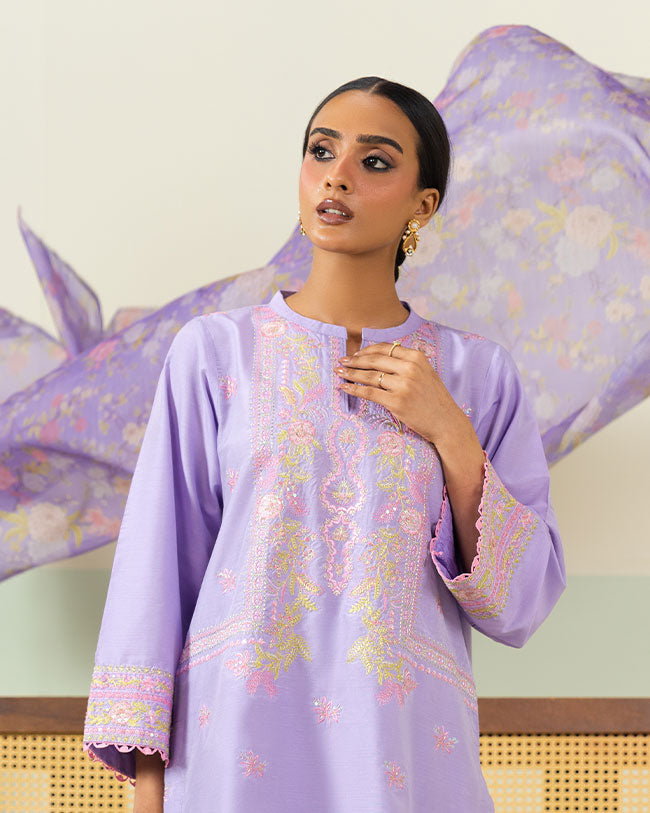
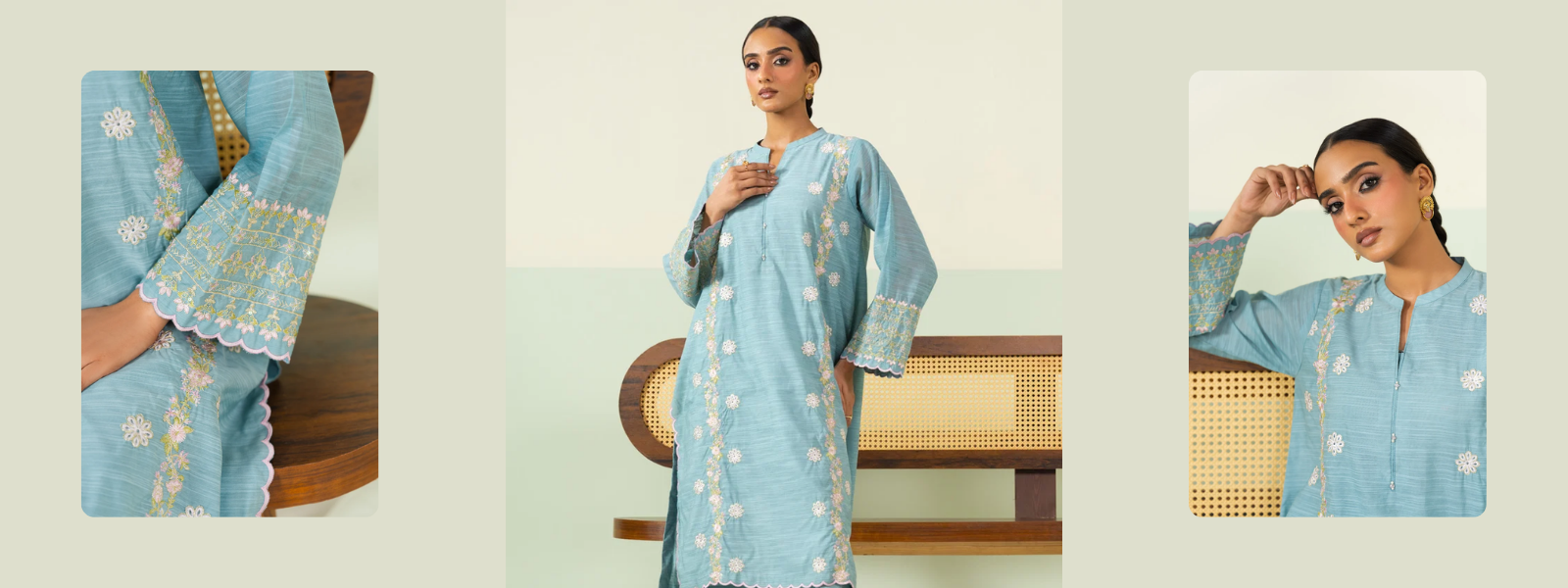
Pakistani women have always had a clear language preference when it comes to traditional dressing. Ask any woman what she reaches for first and she will tell you without hesitation. That clarity has not disappeared in 2026, but it has become more interesting. The shirt and trouser format has grown from a contemporary alternative into a genuine wardrobe staple that rivals the traditional shalwar kameez in everyday Pakistani dressing. This is not a trend story. It is an observation about a real and measurable shift in how Pakistani women are dressing right now. Explore both formats at the Alkaram Studio women's collection and read on for an honest look at what is actually happening.
What the Traditional Shalwar Kameez Still Does Better
Before examining what has shifted, it is worth being honest about where the shalwar kameez still leads.
For religious occasions and formal family gatherings, the shalwar kameez remains the stronger choice in Pakistani cultural life. There is a dignity and a rootedness to the silhouette that Pakistani families associate with occasions that carry real weight. Jumma prayers, religious ceremonies, formal events at home where elders are present in these contexts, the shalwar kameez signals something the shirt and trouser cannot fully replicate.
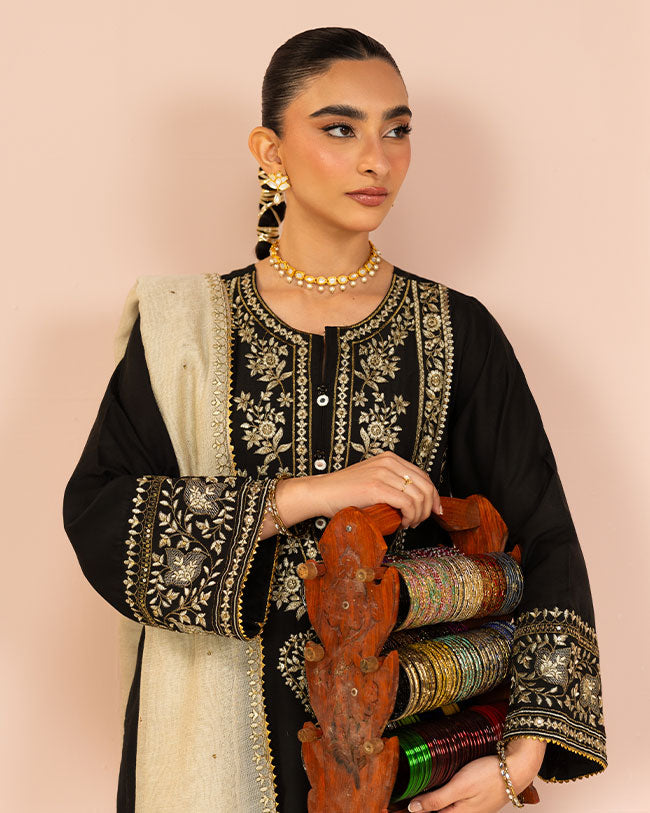
Occasion dressing still belongs predominantly to the traditional shalwar kameez format, particularly when it carries embellishment. A richly embroidered shalwar kameez for Eid or a wedding function carries cultural meaning that the shirt and trouser combination has not yet claimed.
Older Pakistani women, particularly those above fifty, maintain a clear and largely unbroken preference for the traditional format. For this demographic, the shalwar kameez is not a choice made against another option. It is simply how one dresses, and that conviction is genuine and deeply held.
What the Shirt and Trouser Is Winning
The shift has happened fastest in three specific contexts, and they are worth examining individually.
Everyday professional and office dressing. Pakistani working women have moved significantly toward the shirt and trouser format for their daily office wear. The reasons are practical. A well cut shirt and straight trousers looks polished, photographs well in professional contexts, travels more easily than a flowing shalwar, and requires less management throughout a working day. For women who commute, attend meetings, and move through professional environments, the shirt and trouser has become the most rational everyday choice.
University and campus life. Younger Pakistani women in university settings have driven significant adoption of the shirt and trouser across the past five years. The silhouette feels more contemporary, more individual, and more aligned with the visual aesthetic that younger Pakistani women see in the fashion content they consume. It is also more comfortable across a long campus day where sitting, walking, and moving between different environments are constant.
Social media and photography. This is the least often discussed driver but it is real. The shirt and trouser format photographs differently from the traditional shalwar kameez. The clean vertical lines, the modern proportions, and the simplified silhouette produce a specific aesthetic in photographs that resonates strongly with the visual language of Pakistani social media. Pakistani women who share outfit content online have adopted the shirt and trouser at a noticeably higher rate than those who do not, and this creates a feedback loop where the format becomes associated with contemporary style.
The Dupatta Question
One of the most interesting dimensions of this shift is what it has done to the dupatta.
In the traditional shalwar kameez format, the dupatta is an integral part of the outfit. It is present at every formal occasion and expected at many semi formal ones. Its draping is an art form that Pakistani women learn from an early age.
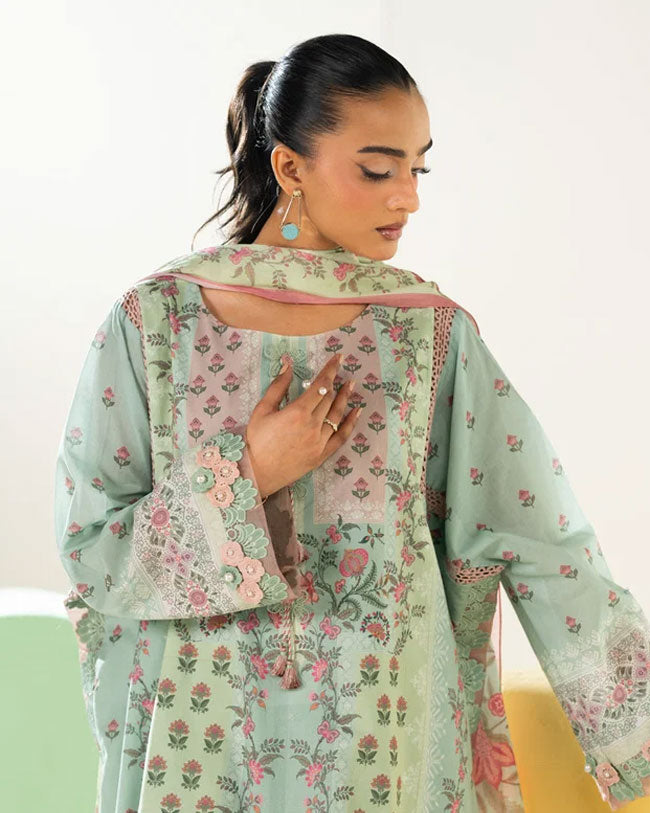
With the shirt and trouser format, the dupatta becomes optional in a way it never quite is with a traditional shalwar kameez. Many shirt and trouser sets are designed to work as complete outfits without a dupatta. For casual and professional occasions, Pakistani women wearing shirt and trouser sets often skip the dupatta entirely.
This is not universally welcomed. For women and families who see the dupatta as an essential element of modest dressing and Pakistani cultural identity, the optional status it acquires in the shirt and trouser format is a genuine concern rather than a liberation.
For younger urban Pakistani women, the ability to choose whether the dupatta is part of the outfit feels like a natural expression of individual preference.
Both perspectives are present in Pakistani fashion in 2026 and both are genuinely held. The brands that serve Pakistani women well are the ones that design shirt and trouser sets which work beautifully with and without a dupatta, rather than forcing a choice.
What the Numbers Actually Show
Pakistani fashion brands including Alkaram Studio see their own sales data, and what it consistently shows is that both formats are growing.
The ready to wear market in Pakistan, which skews heavily toward the shirt and trouser format, has grown significantly year on year. This reflects genuine adoption of the format across a widening demographic.
At the same time, the unstitched shalwar kameez category has not declined. It has also grown, driven partly by premium pricing moving higher as more women seek embroidered and luxury options in the traditional format.
What this suggests is that Pakistani women are not choosing between the two formats. They are using both, with increasing deliberateness about which one serves which context best. A working woman might wear shirt and trouser sets five days of the week and reach for an embroidered shalwar kameez for the weekend family gathering. Both wardrobes are growing because Pakistani women have more occasions and more contexts than a single format can serve.
What This Means for How You Shop
If you are building or expanding a Pakistani women's wardrobe in 2026, the clearest approach is to let your actual life determine the split rather than following a rule about which format is more appropriate.
If most of your daily life involves professional environments, long days away from home, and social contexts where ease and practicality matter, weight your wardrobe toward the shirt and trouser format. If most of your life involves family occasions, religious observances, and the kinds of gatherings where traditional dressing carries cultural weight, the shalwar kameez should remain the dominant format.
Most Pakistani women fall somewhere between these two poles, which is exactly why most Pakistani women own both.
Visit the Alkaram Studio website today to explore the full women's collection across both the shirt and trouser and traditional shalwar kameez ranges and find what your wardrobe needs most right now.


