

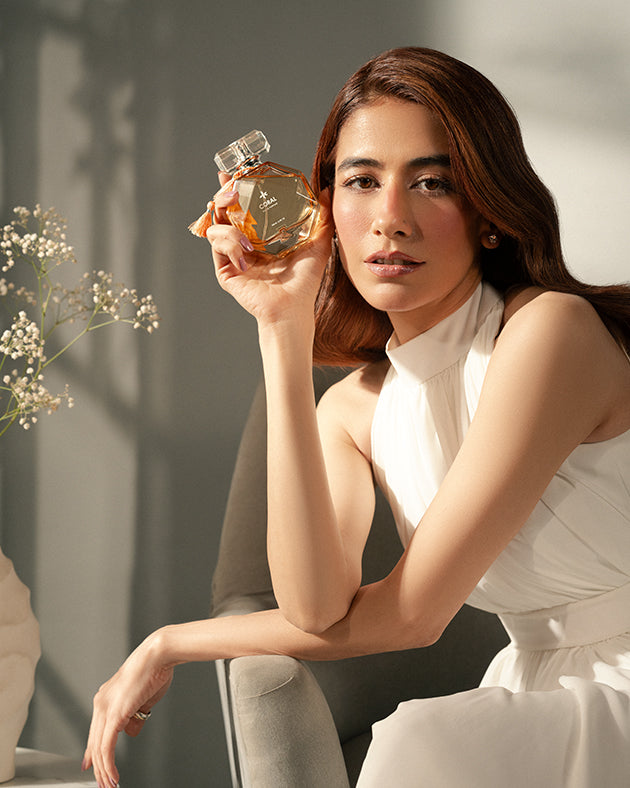
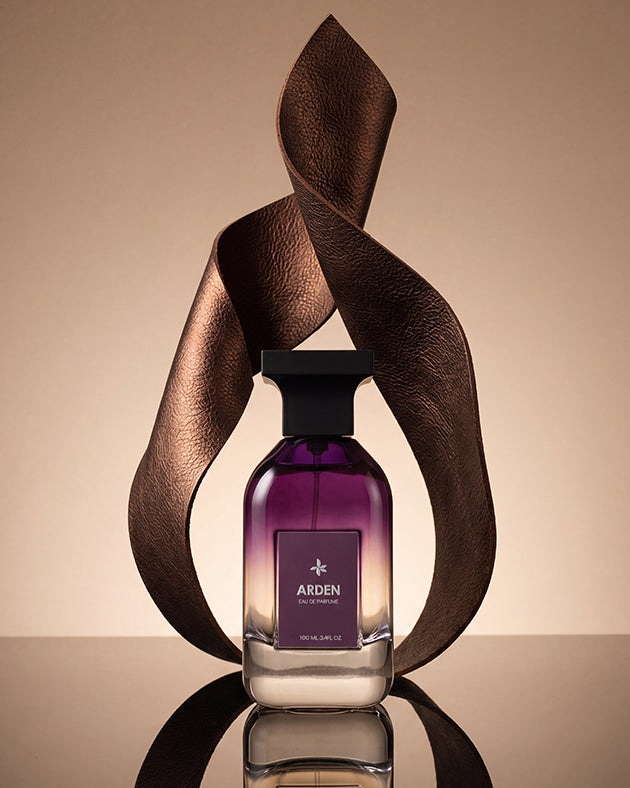
Walk into a gathering of Pakistani women and the fragrance in the room tells you something that clothing alone cannot. It is layered, it is present, and it has been applied with genuine intention. Pakistani women do not wear perfume the way many international fragrance guides suggest perfume should be worn. They wear it more generously, more ceremonially, and more contextually than almost any other culture's approach to scent. Understanding this is not just interesting for its own sake. It is the key to choosing and using long lasting perfumes for women in a way that actually works for Pakistani life rather than following advice designed for a completely different context. Explore what Alkaram Studio has developed specifically for this cultural context at the women's fragrance collection and read on for a genuine exploration of Pakistani fragrance culture.
The Attar Foundation
Pakistani fragrance culture cannot be understood without starting with attar. Derived from botanical sources through a distillation process that has been practiced in South Asia for centuries, attar is the original Pakistani fragrance form. It is applied directly to the skin, typically to the wrists and neck, in small quantities that nevertheless produce a scent presence that is warm, deep, and remarkably long lasting.
The attar tradition established several cultural norms around fragrance in Pakistan that persist to this day even in people who have never worn attar themselves.
The first is that fragrance should be noticeable. Pakistani fragrance culture does not value subtlety the way some Western approaches do. A perfume that requires standing very close to detect is not being used to its full potential. Fragrance should fill a reasonable space around you and communicate your presence in a room before a conversation begins.
The second is that fragrance is occasion specific. Attar selection in traditional Pakistani culture was deliberate and contextual. Different attars for different occasions, different times of day, different seasons. This cultural habit of matching scent to occasion has carried forward into contemporary Pakistani fragrance choices even as attar has been joined or replaced by modern perfumes.
The third is that fragrance is an expression of care and preparation. Wearing a good scent in Pakistani culture signals that you have put thought and effort into your presentation. It is part of being dressed, not separate from it.
How Pakistani Women Actually Apply Perfume
International fragrance guides typically recommend two to four sprays on pulse points and a light application that avoids overwhelming those nearby. This advice is calibrated for fragrance cultures where subtlety is valued and where heavy application is considered inconsiderate in shared spaces.
Pakistani women, generally speaking, apply more generously than this guidance suggests. This is not ignorance of the guide. It is a deliberate choice rooted in cultural expectations about what fragrance should do.
At a Pakistani gathering, fragrance needs to project across a room where conversations are happening, food is being prepared, and the general sensory environment is rich. A fragrance applied as lightly as international guides recommend would simply not be present in that context. It would disappear into the background.
The application pattern is also different. Pakistani women frequently apply to clothing and hair as well as skin. Hair holds fragrance beautifully and releases it slowly through movement, creating a consistent scent presence throughout the day. Clothing, particularly the dupatta, acts similarly. These application surfaces extend the life and presence of a fragrance significantly beyond what skin application alone achieves.
Occasion Rules That Are Unique to Pakistan
Pakistani fragrance culture has specific occasion based rules that have no direct equivalent in most international contexts.
- Eid fragrance is distinct. Most Pakistani women have a specific scent they wear on Eid and only on Eid. This is not a formal rule. It is a cultural habit that has emerged organically from the way fragrance is tied to memory in Pakistani families. The scent worn on Eid morning becomes associated with that celebration so specifically that wearing it on an ordinary day feels out of context.
- Wedding fragrance is an investment. Pakistani weddings span multiple days and multiple functions, and the fragrance chosen for a wedding is selected with more deliberateness than almost any other occasion. It needs to be impressive enough for the dholki, appropriate for the nikah, and celebratory enough for the reception. Many Pakistani women buy a specific perfume for a wedding season and treat it as a seasonal investment rather than a casual purchase.
- Office fragrance is regulated by unspoken rules. Pakistani office environments have their own fragrance expectations. Too light and you have not made sufficient effort. Too heavy and you have made everyone around you uncomfortable through a long working day. The calibration required is genuinely specific to the Pakistani professional context and takes experience to get right.
What Pakistani Women Actually Want from a Perfume
When you understand the cultural context, the fragrance preferences that dominate Pakistani consumer choices make complete sense.
Longevity above everything else. A perfume that fades before the occasion ends is a failure in the Pakistani context regardless of how beautiful it smells at the moment of application. This is why woody, oriental, and amber heavy fragrances dominate Pakistani fragrance preferences. These note families cling to skin and fabric for many hours in ways that lighter fresh or citrus fragrances simply cannot.
Sillage, which means how far the fragrance projects from the body, matters more than in most other markets. A fragrance with good sillage will fill the room around you in the way Pakistani fragrance culture expects. A fragrance that only registers when someone is standing directly next to you will feel underwhelming in a Pakistani social setting regardless of its technical quality.
Warmth and richness in the base notes. Pakistani fragrance preferences lean consistently toward scents that have depth, warmth, and complexity in their base notes. Cold, thin, aquatic fragrances have never dominated Pakistani preferences the way they have in some international markets. The scent traditions that originate from the attar culture created a palate that responds to warmth and richness.
What Alkaram Studio Understands About This
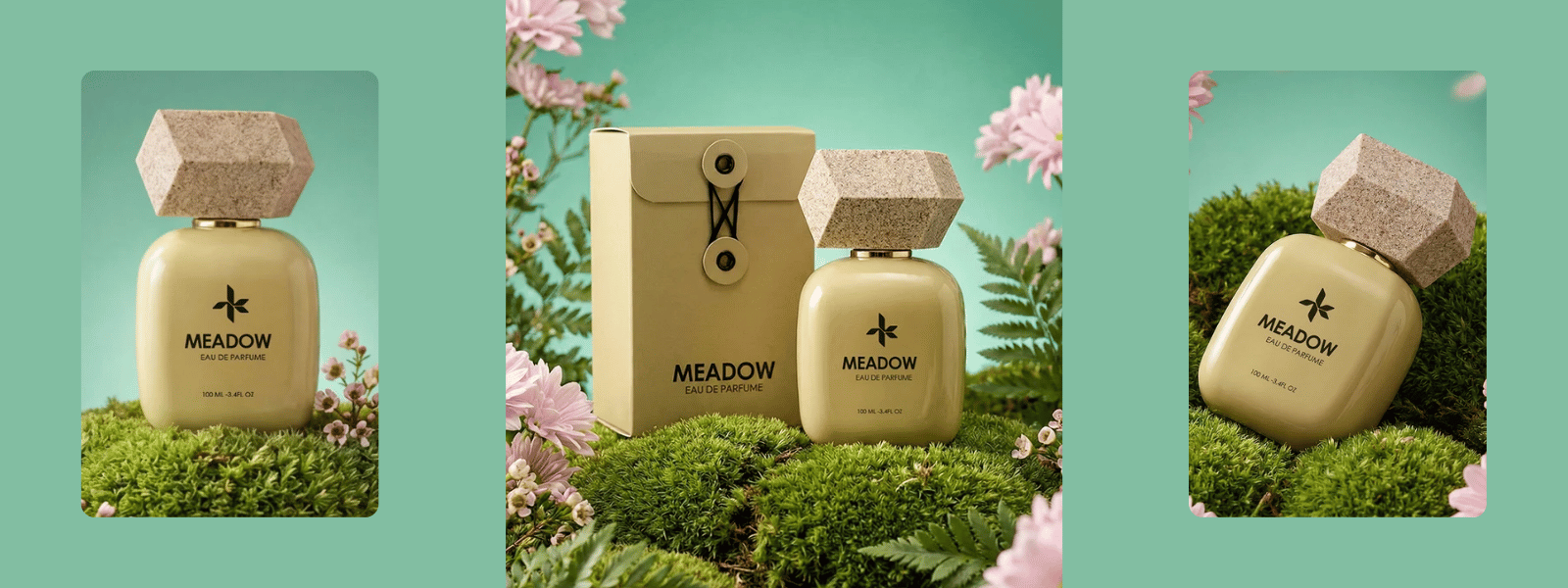
Alkaram Studio's fragrance range has been developed with this specific cultural context in mind. The women's perfume collection was not assembled by selecting whatever was trending internationally and importing it for the Pakistani market. It reflects a genuine understanding of what Pakistani women actually want from a fragrance.
The formulations prioritise longevity for Pakistan's warm climate where lighter fragrances dissipate even faster than in cooler environments. The scent directions lean toward the warm, floral, and oriental families that resonate most consistently with Pakistani preferences. And the body mist range provides a lighter format that works for the Pakistani women who want fragrance presence in everyday casual contexts without the full projection of an occasion perfume.
Visit the Alkaram Studio website today to explore the complete women fragrance collection and find a scent that genuinely fits the way Pakistani women wear perfume.


